Control Workshop / PRACTICAL GUIDE
A simple record can make the next attempt more purposeful. Track the section, the decision and the result without turning play into paperwork.
Record a section instead of only a time
A final time is useful, but it rarely identifies the decision that caused a loss. Name a bend, landmark or short sequence you can recognise on the next run. Keep the description plain enough to understand later. You do not need a perfect map label to make a useful note.
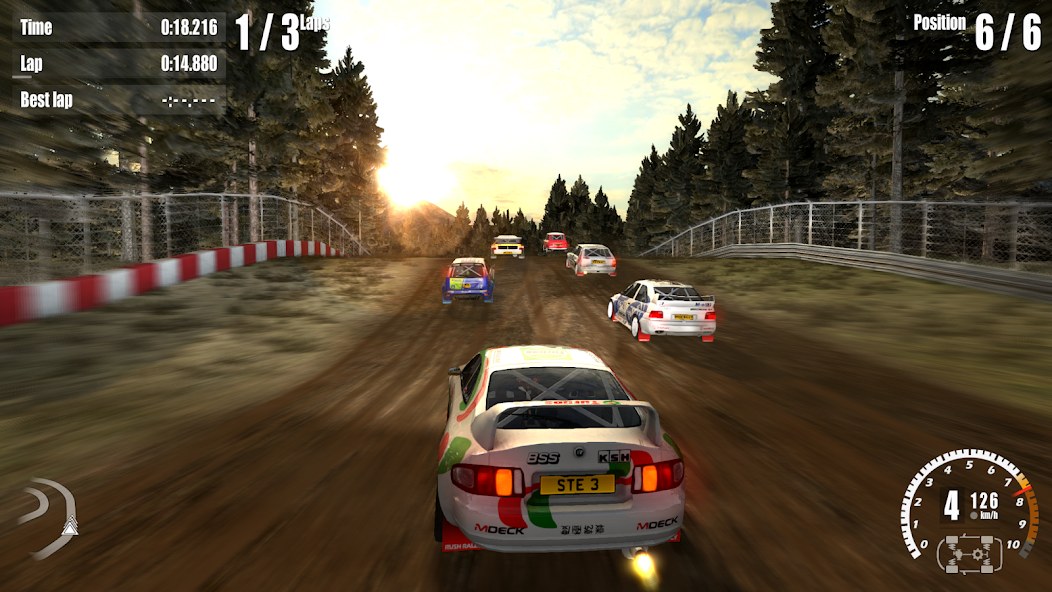
Describe one deliberate change
Record an earlier preparation point, a calmer entry or a different control adjustment. Avoid changing several variables and attributing the result to one of them. If an attempt includes an unrelated collision or interruption, mark that clearly. An imperfect comparison can still teach you something as long as you do not pretend it was a clean test.
Write the result in observable terms
A smoother exit or fewer steering corrections is more informative than simply saying the run felt better. If you use a time, keep the car, route and conditions comparable. Do not calculate an impressive improvement percentage from two inconsistent attempts. A practical log is valuable because it exposes uncertainty rather than hiding it.
Choose the next experiment before restarting
Read the previous line and decide whether to repeat the change, refine it or return to the baseline. Stop after a manageable block of attempts. When concentration fades, more laps may produce less useful information. The worksheet should help you practise with intention, not create pressure to turn every session into a record attempt.