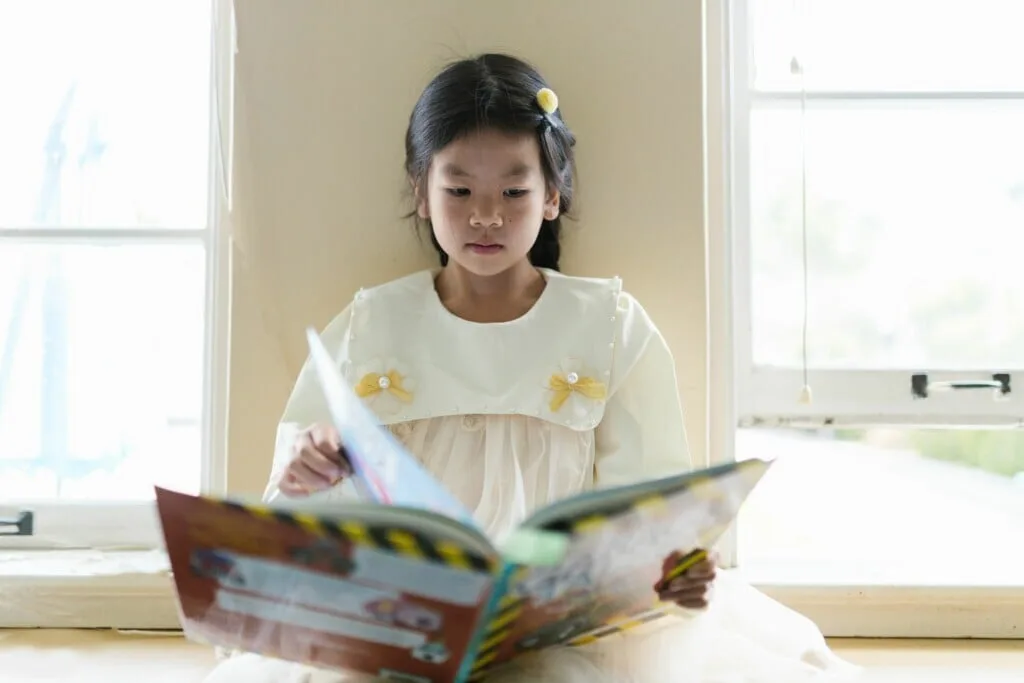
For decades, bedtime reading meant choosing from static, mass-produced storybooks from retail shelves. While classic tales remain timeless, early childhood educators and digital publishing platforms are increasingly turning to personalization to solve a common modern hurdle: keeping young readers engaged in an era dominated by high-stimulation screens.
Modern book-creation platforms now allow parents and educators to generate customized illustrated stories where children see themselves as the central heroes. Here is a breakdown of how this publishing shift works, why it boosts literacy, and how to craft meaningful custom libraries.
1. How Custom Story Creators Work
Contemporary personalized book platforms have transitioned from simple “fill-in-the-blank” name inserts to rich, dynamic storytelling engines:
- Character Customization: Parents can customize the protagonist’s avatar to mirror the child’s physical appearance—including hairstyles, eye colors, glasses, and skin tones—making the visual connection instant.
- Thematic Alignment: Stories can be tailored around specific passions (such as space exploration, dinosaurs, ballet, or marine biology) or targeted developmental milestones (such as starting kindergarten, welcoming a new sibling, or managing bedtime fears).
- Format Flexibility: Users can choose between instant digital e-books for tablet reading or order keepsake hardcover print editions with professional bindings.
2. The Developmental Benefits of Personalized Reading
- Dramatically Higher Engagement: Studies in developmental psychology show that children show up to 40% higher attention spans and word retention when reading stories where they are the named protagonist.
- Accelerated Phonemic Awareness: Seeing their own name and familiar household settings printed on the page helps emerging readers connect abstract letters to spoken sounds faster.
- Enhanced Empathy and Emotional Literacy: Navigating fictional challenges through a personalized proxy helps children process big emotions, social conflicts, and problem-solving strategies in a safe, relatable context.
3. Practical Tips for Designing Meaningful Stories
- Involve the Child in the Process: Let toddlers and young readers choose their adventure’s theme, sidekick characters, or story setting before placing the print order to cultivate a sense of ownership over reading.
- Balance Fantasy with Real-World Goals: Mix imaginative space odysseys with grounded narratives focused on real-life challenges, such as overcoming shyness on the playground or trying new foods.
- Prioritize High-Quality Binding for Keepsakes: For printed hardcovers, opt for thick, wipe-clean paper stock that resists tearing from toddler hands, allowing the book to serve as a long-term family memory capsule.