Stage Craft / PRACTICAL GUIDE
A first run can be useful even when it is slow. Treat an unfamiliar stage as a sequence of landmarks and decisions rather than one uninterrupted sprint.
Give the first pass a different job
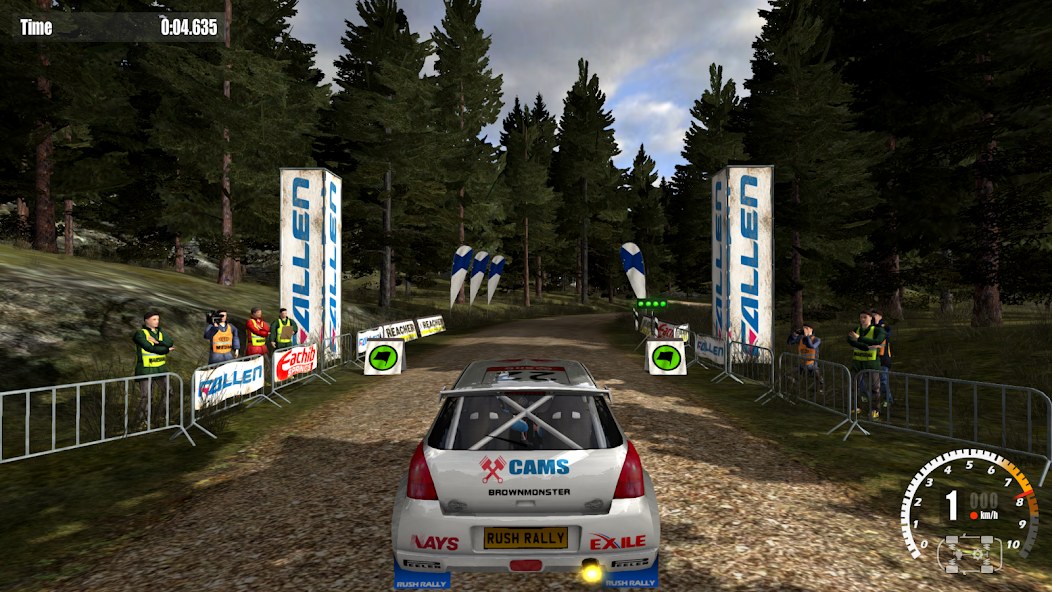
The publisher describes Rush Rally 3 as a rally game with varied stage surfaces and conditions. An unfamiliar route therefore deserves a learning pass. Prioritise finishing cleanly and noticing where your view becomes limited. Do not judge this run against a personal best from a route you know well. Its purpose is to produce information that will make the next attempt more deliberate.
Choose landmarks you can recognise again
A visible sign, bend in the road or change in scenery can help you remember where to prepare. Pick a small number near the sections that caused the most difficulty. A useful landmark appears early enough to support a decision. If you notice it only after the car is already unsettled, choose an earlier cue rather than trying to react more aggressively.
Break the run into sections
Compare the approach, corner and exit as separate parts of a troublesome sequence. Losing time at the exit may begin with an overambitious entry. Keep the car and control setup steady while investigating. If you change the vehicle and route together, the comparison becomes much less informative. A simple note about one section is often more useful than a long list of excuses for the final time.
Increase pace after the route becomes legible
Once the route feels familiar, push one section modestly while keeping the rest controlled. If the extra pace creates repeated errors, return to the previous approach. A clean repeatable run gives a stronger baseline than a single lucky escape. These are suggested practice methods; they are not timed tests performed by this publication.